Eat the Frog: What It Means and When It Is Bad Advice
Eat the frog means doing your hardest task first. Where the phrase comes from, why it helps, when starting easy is smarter, and how to pick the right frog.
"Eat the frog" means do your most important, most dreaded task first, before anything else. The idea is that once the worst thing is done, the rest of the day is easier, and the task cannot be pushed aside by smaller things. It is good advice for many people on many days. It is bad advice on some days, and knowing which is which is the useful part.
Where the phrase comes from
It is usually credited to Mark Twain, in a line like "eat a live frog first thing in the morning and nothing worse will happen to you the rest of the day". There is no good evidence Twain said it. Quote Investigator traced the idea back to older sayings by other writers, and found no Twain source.
The phrase became a productivity method thanks to Brian Tracy's book Eat That Frog!, first published in 2001. Tracy's frog is your biggest, most important task, the one you are most likely to put off.
Why hardest first can work
Your best energy goes to your best work
For many people, focus is strongest in the first hours of the day, before meetings and messages break it up. Putting the hard task there gives it your clearest thinking.
The day cannot steal it
If the frog is scheduled for 15:00, there are six hours of interruptions waiting to push it back. At 9:00, there are none yet.
The dread ends early
A task you dread takes energy all day just by being there. Doing it first ends that drain.
When it is bad advice
When you can't start at all. If you are frozen, staring at the frog makes it worse. A small easy win first can get you moving. See ADHD task paralysis for this state.
When your energy peaks later. Not everyone is sharp at 8:00. If your clear hours are after lunch, eat the frog then. The point is your best hours, not the clock.
When the frog is not actually important. Some tasks are hard and dreaded and do not matter much. Doing those first is just suffering.
| Approach | Wins when | Loses when |
|---|---|---|
| Hardest first | You have a clear morning and one task that matters most | You are frozen or exhausted |
| Easiest first | You need momentum to start at all | Easy tasks multiply and fill the day |
| Most important first | Always a reasonable default | Rarely, if importance is unclear |
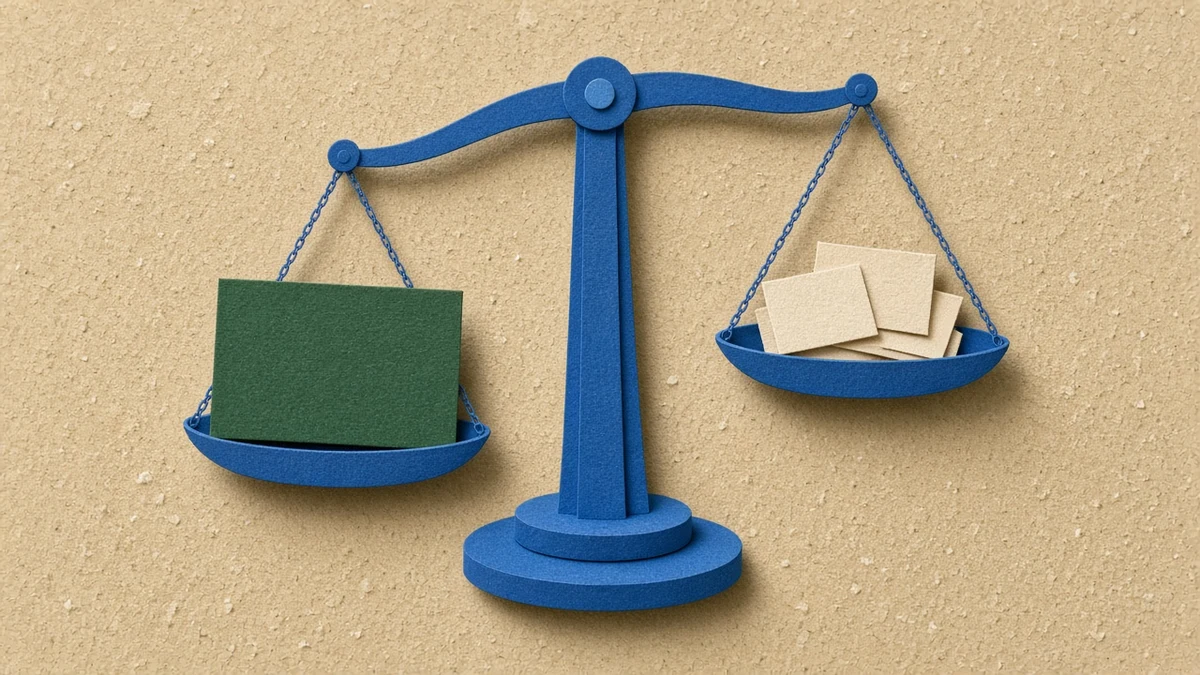
Notice the third row. "Most important first" is the version that holds up best. Hard and important are often the same task, but not always.
How to pick your frog: the frog test
Ask four questions about the tasks on today's list:
- Which one matters most for this week's goals?
- Which one am I most likely to avoid?
- Which one gets harder the longer it waits?
- Which one can I make real progress on in 90 minutes?
The task that gets the most yes answers is your frog. If two tie, pick the one with a deadline.
An example
A freelance designer's list on a Tuesday:
- Send invoice (5 minutes): important, not avoided
- Rework the logo after hard feedback (2 hours): important, avoided, gets harder, progress possible
- Reply to three emails (20 minutes): not avoided
- Update portfolio (open-ended): important, avoided, no deadline
The logo rework wins all four. It is the frog. The invoice can happen after, as a quick reward.
Making it a habit
- Choose the frog the evening before. Deciding in the morning invites delay. A short end-of-day review, like the one in our workday shutdown ritual, is a good moment.
- Block it. Put it on the calendar from 9:00 to 10:30 and keep email closed until it is done.
- One frog only. Tracy's book includes the idea that if you have two frogs, eat the ugliest first. Fine, but one a day is plenty for most people.
- Shrink it if needed. If the frog is a whole project, the morning frog is just its next real chunk.
Frequently asked questions
What is the meaning of "eat the frog first"?
It means do the task you least want to do, and that matters most, before anything else. The image is that eating a live frog is unpleasant, and once you have done it, nothing else that day will be as bad.
Is eat the frog the same as the Eisenhower Matrix?
No. The matrix sorts tasks by urgency and importance. Eat the frog is about the order you do them in. You can use the matrix to find your important tasks, then pick the hardest of them as your frog.
What if my frog takes all day?
Then it is too big. Your frog should be the next real chunk of the big task, something you can finish or make clear progress on in one sitting of 60 to 120 minutes. Eating a whole project before lunch is not the goal.
Does it work for people with ADHD?
Sometimes. For many people with ADHD, the hardest-first rule creates a standoff with a frog they cannot start. A common adjustment is one tiny easy win first, then the frog. Try both orders for a week and keep whichever got the frog done more often.
Eat the frog vs easy tasks first: what to try
If you cannot decide which order suits you, run a two-week test. Week one, do your frog first every day. Week two, start with one small easy task, then the frog. Each evening, note two things: did the frog get done, and how did the day feel?
Most people find a clear winner. Some discover that hardest first works on office days and easiest first works at home. Others find it depends on sleep. All of that is useful. A method you have tested on your own days beats any rule from a book, including this one.
Eat the frog vs other methods
Eat the frog is about order. It pairs well with methods about what and when. The Eisenhower Matrix examples help decide what is important; time blocking decides when. Together they answer most planning questions.
If you keep your day in Todonado, you can pin the frog to the top of today so it is the first thing you see. A sticky note on the laptop lid does the same job.
The phrase is memorable, which is why it spread. The method underneath is simple: pick the one thing that matters most, and give it your best hours before the day gets a vote.