
How to Build a Habit That Sticks, Based on What Research Shows
Habits form through repetition in a stable context, and it takes longer than 21 days. A practical method grounded in research, with a tracker, a worked example, and what to do after a miss.
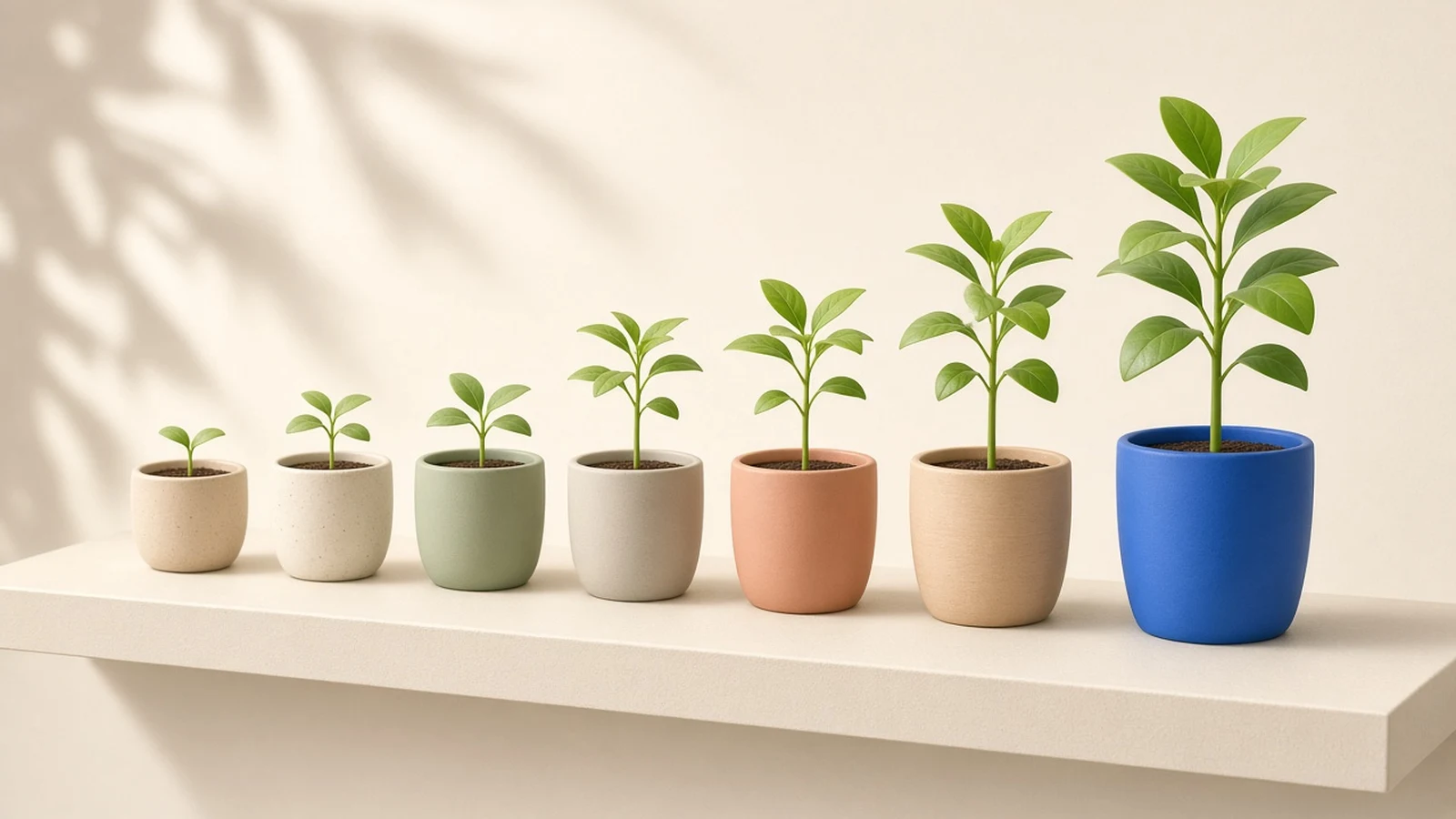
Pick one small action, tie it to something you already do every day, do it in the same place, and keep going for a couple of months. That is how to build a habit that sticks. Habits form through repetition in a stable context, not through motivation, and it usually takes longer than people expect. Missing a day here and there does not ruin it.
How long does it take to form a habit?
Not 21 days. That number comes from a 1960s book about self-image and was never a finding about habits.
The best-known study is by Phillippa Lally and colleagues at University College London, published in 2009. Volunteers picked a daily eating, drinking or exercise behaviour and reported how automatic it felt each day. On average it took 66 days to reach a plateau of automaticity, but the range was huge: from 18 to 254 days, as summarised in the Wikipedia article on habit. Simpler habits, like drinking a glass of water, got automatic faster than harder ones, like doing sit-ups.
The study also found that missing one day did not materially affect the process. That is worth remembering on your first bad day.
So plan for two to three months, not three weeks.
The habit recipe
1. Cue: attach it to something you already do
A habit needs a trigger. The most reliable trigger is an existing routine. "After I pour my morning coffee, I write tomorrow's top task." This is sometimes called habit stacking, and it is a version of what psychologists call implementation intentions: if X happens, I will do Y.
2. Size: start smaller than you think
Smaller habits are easier to repeat, and repetition is the whole game. Not "read for an hour", but "read one page". Not "go to the gym", but "put on gym shoes". You can always do more. The habit is showing up.
3. Place: keep the setting the same
Same time, same place, same order. Context is what turns a choice into an automatic response. A habit done in five different places has five different cues.
4. Record: make progress visible
A simple tick on a calendar or a tracker shows the chain. It also gives a small reward each day, which helps the early weeks feel worth it.
| Part | Weak version | Strong version |
|---|---|---|
| Cue | "In the morning" | "After I start the kettle" |
| Size | "Exercise" | "Ten squats" |
| Place | "Somewhere" | "Kitchen, by the window" |
| Record | Remembering | A tick on the fridge calendar |

A worked example: a daily planning habit
Say you want to plan your day each morning.
- Day 1 to 14: after the kettle goes on, write one task for today on a card. That is all. Tick the fridge calendar.
- Week 3 to 6: same cue, now write three tasks and a time guess for each.
- Week 7 to 10: add a 30-second look at the calendar before writing.
By week ten, it is close to automatic. You did not rely on willpower. You relied on the kettle. If you want to know what a good daily plan contains, read how to plan a realistic day.
What to do when you miss
You will miss. Plan for it.
- Never miss twice is a popular rule, and a useful one. One miss is noise. Two starts a new pattern.
- Shrink it on bad days. If you can't do ten squats, do one. Keep the chain alive in spirit.
- Do not restart the count in your head. You did not lose the work of the last 30 days. The study suggests one miss barely matters.
Habits vs goals
A goal is a result: run a 10k. A habit is a behaviour: run three times a week. Goals give direction; habits get you there. When a habit is hard to start, it can help to ask what the goal behind it is, and then pick the smallest habit that moves toward it.
The limitations
Habit methods work best for simple, repeated actions. They are less useful for things that vary every day, like creative work, or for behaviours tied to strong emotions, like stress eating. For those, other support often helps more.
Not everyone forms habits at the same rate. People with ADHD often find routines harder to hold, and may need more outside structure. Our ADHD to-do list piece covers some of that.
Questions people ask
Can I build several habits at once?
You can, but it is harder. Each new habit needs attention in the early weeks. Most people do better adding one at a time, and waiting until the first feels fairly automatic before starting the next.
Do habit trackers really help?
For many people, yes. Seeing a run of ticks is motivating, and the tracker itself works as a cue. The risk is caring more about the streak than the behaviour. If a missed day makes you want to quit, hide the streak count and just keep the ticks.
What if I keep forgetting?
Then the cue is too weak. Pick a stronger anchor, something you do every day without fail, like brushing your teeth or making coffee. Put a physical reminder right at that spot.
Habit stacking examples
Habit stacking means attaching a new habit to an old one. A few that work for many people:
- After I sit down at my desk, I write today's top three tasks.
- After I pour my coffee, I take my vitamins.
- After I close the laptop, I write tomorrow's first task.
- After I brush my teeth at night, I lay out tomorrow's clothes.
- After I park the car, I take three slow breaths before going in.
The pattern is always the same: a cue you already do without thinking, followed by a small, specific action. Write yours down in exactly this form. It feels silly, but the written version is much more likely to happen than a vague plan.
Make room for the habit
A new habit needs a slot. If your days are already full, the habit will lose. Look at your week in a Sunday reset and decide where it fits. In Todonado, a daily recurring task with the habit's tiny version can serve as the tracker. A paper calendar on the fridge does the same job and is harder to ignore.
Pick one habit today. Make it small enough that it feels a bit silly. Tie it to something you already do. Then keep going well past 21 days.