
How to Plan Your Work Week in 30 Minutes on Monday
A simple way to plan a work week: pick outcomes, place the big tasks, leave room for the unexpected. A 30-minute routine with a worked example and a template.
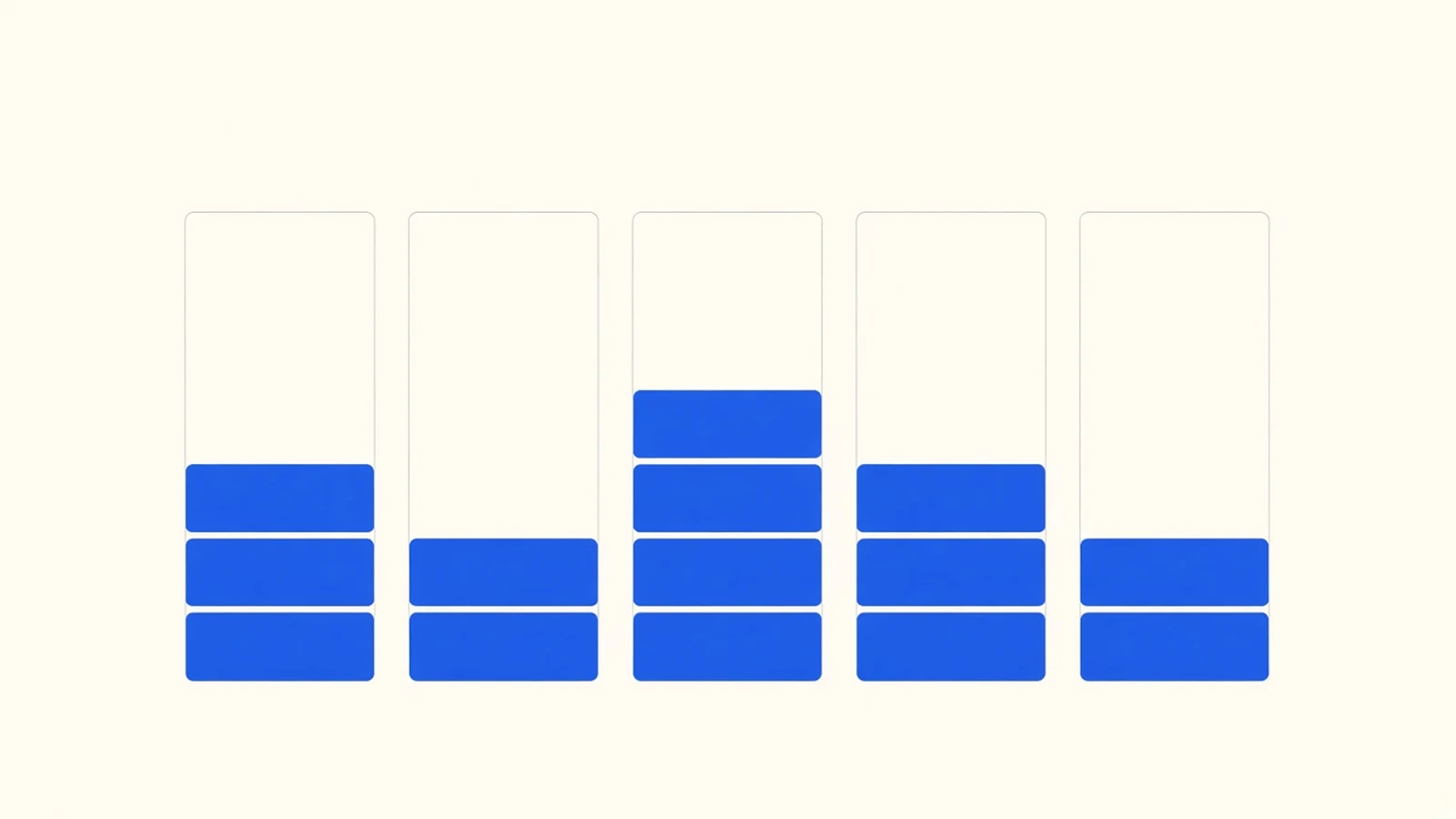
Plan your work week in four steps: pick three outcomes, look at your meetings, place the big tasks into the open slots, and leave at least a third of the week unplanned. Do it in 30 minutes on Monday morning, before email. That is enough to turn a vague week into a clear one without making a rigid schedule that breaks by lunchtime.
Why plan the week at all?
Daily planning alone can turn into a treadmill: each morning you look at the list and do what is loudest. A weekly plan lifts your eyes a little. It asks what would make this week count, then makes sure those things have time.
It also shows the truth about your calendar. Many people discover on Monday that they have only eight free hours all week, and that the four big tasks they hoped to do will not fit. Better to find out on Monday than on Friday.
The 30-minute routine
| Minutes | Step |
|---|---|
| 0 to 5 | Look at last week: what carried over? |
| 5 to 10 | Pick three outcomes for this week |
| 10 to 15 | Look at the calendar and count free hours |
| 15 to 25 | Place big tasks into free slots |
| 25 to 30 | Write today's first task |
Pick three outcomes
An outcome is a result, not an activity. "Send the proposal to the client" is an outcome. "Work on the proposal" is not. Three is a good number: it is enough to feel useful and few enough to finish. If your list feels like it is all on fire, read how to prioritize when everything feels urgent first.
Count your free hours
Look at each day. Subtract meetings, travel, and about an hour a day for email and small things. What is left is your real working time. Write the number down.
Place the big tasks
Each outcome usually needs one or two big tasks. Give them a slot on a specific day. Put the hardest one early in the week, when there is still room to recover if it runs over.
Leave a third of the week empty
This is the rule most people skip. Things will come up: a colleague's emergency, a bug, a client call. If your week is 100% planned, every surprise knocks something off. If it is about two-thirds planned, surprises fit. Our guide on planning around a 9 to 5 job explains why buffers matter so much.
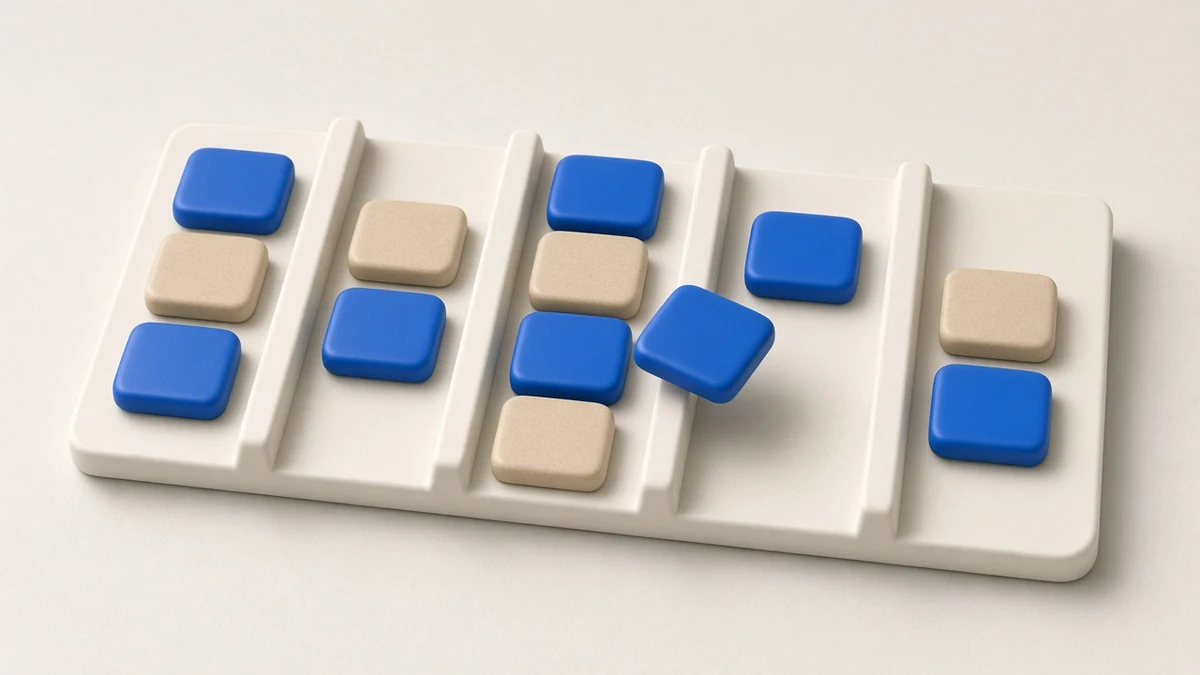
A worked example
Here is a composite example. Rania is a project manager. Her Monday plan:
Last week carried over: budget update, two vendor emails.
Three outcomes:
- Project timeline approved by the client
- Budget update sent to finance
- New team member set up and onboarded
Free hours: Monday 3, Tuesday 2, Wednesday 5, Thursday 1, Friday 4. Total: 15 hours.
Placed tasks:
- Monday 14:00 to 16:00: finish timeline draft
- Wednesday 9:00 to 11:00: budget update
- Wednesday 14:00: onboarding session (1 hour)
- Friday 9:00 to 10:00: timeline revisions after client feedback
That is 6 hours planned out of 15, with the vendor emails in the email hour. Plenty of slack. On Tuesday, a client asks for an urgent change, and it fits without anything else breaking.
What a weekly plan for work is not
It is not a timetable. You do not need to decide what you will do at 15:00 on Thursday. Most of the week stays flexible on purpose, and that is what lets the plan survive real life.
It is also not a wish list. If an item is on the plan, it has a slot or at least a day. Anything without one stays on your general list until there is room. That rule keeps the weekly plan small and believable, so you trust it enough to look at it each morning.
Finally, it is not set in stone. Plans change by Wednesday almost every week. Moving a task is fine. Dropping one of your three outcomes is fine too, as long as you decide it on purpose rather than letting it slide.
Weekly planning vs weekly review
They are close cousins. A weekly review looks back and cleans up. Weekly planning looks ahead and places things. Many people do the review on Friday and the plan on Monday. Others do both in one session. Either works.
Common mistakes
- Planning too much. If every hour has a task, the plan is fiction.
- Activities instead of outcomes. "Work on X" never finishes.
- Ignoring meetings. A week with 20 hours of meetings is not a 40-hour week of work.
- Never checking in. Look at the plan each morning for two minutes. Adjust it.
A template
WEEK OF: ________
Carried over: ________
Outcomes:
 1. ________
 2. ________
 3. ________
Free hours: Mon __ Tue __ Wed __ Thu __ Fri __ = __
Big tasks placed:
 - ____ on ____ at ____
 - ____ on ____ at ____
First task today: ________
How many tasks should you plan for a week?
There is no fixed number, but here is a useful check: add up the time guesses for every planned task and compare it with your free hours. If the tasks need more than about two-thirds of your free time, cut something now. Estimates tend to be too low, so a plan that fills every free hour on paper will overflow in practice.
Planning a week when your job is reactive
If most of your work arrives on the day, a detailed plan will not survive. Plan less, but still plan. Pick one outcome instead of three, and protect two or three short blocks for it. Leave the rest of the week open for whatever comes. Even a light plan stops the important but quiet work from being forgotten entirely.
Monday planning when Monday is chaos
Some Mondays start with a fire. If that happens, do not skip the plan. Shrink it. Take five minutes after the fire is out to write three outcomes and look at the calendar. A small plan made at 11:00 is far better than no plan at all.
Another option is to move weekly planning to Friday afternoon. Many people like this because the week is fresh in their mind and Monday morning starts with a plan already made. Try both for a month each and keep whichever you actually stick with.
Turning the week into days
Each morning, open the week plan and pull from it. The daily plan says how; the week plan says what for. If you use Todonado, drop each big task onto its day so the week and the day stay connected. A paper planner works the same way, with the week spread on one page and today on another.
Try the 30 minutes this Monday. By Friday, compare what got done with your three outcomes. That one comparison teaches you how much a week really holds.